

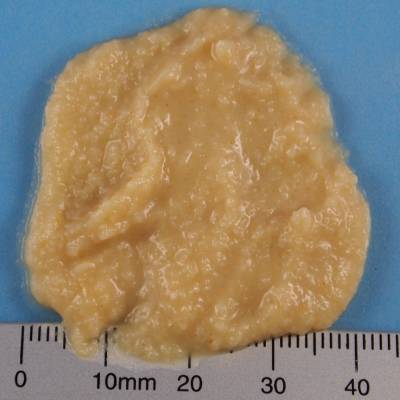
Organic horseradish paste fine
Organic horseradish roots were prepared, finely crushed with the addition of various ingredients and brought to a creamy pasty consistency. In the right dosage, horseradish enhances the taste sensation and is therefore particularly suitable as a side ingredient for your recipes! Horseradish is the hottest radish root, wasabi also belongs to this plant family. In combination with organic spinach powder, it can also be seen as a domestic alternative to imported wasabi. Horseradish is used, for example, for cream cheese, sauces, spreads, and so on. In the processing to organic horseradish paste fine just salt and organic sunflower oil is used, the use of sulfites (otherwise serve as antioxidants) is waived.
Benefits
- creamy fine
- convenient and clean dosing
- fresh aromatic
Fields of Application
Packaging
10 kg PE-Kübel
Personal Consultation

Further questions?
I am happy to help you.
- Wolfgang Kainz
- +43 2853 20660
- wolfgang.kainz@bioservice.at
Further questions? I am happy to help you.
- Wolfgang Kainz
- +43 2853 20660
- wolfgang.kainz@bioservice.at
Application
Questions about the product
Customers also looked for...
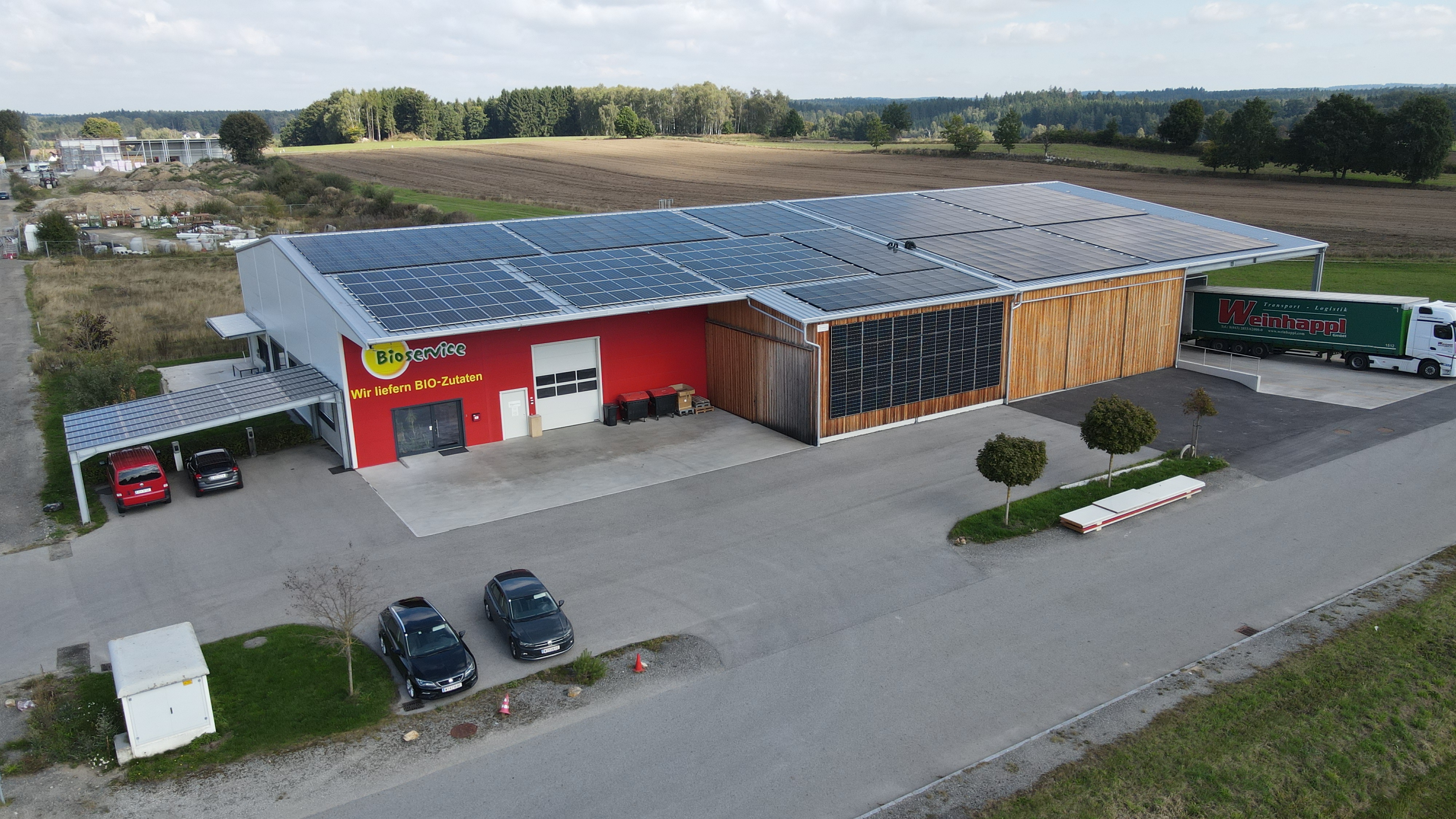
We supply organic ingredients
What our customers appreciate about us:
-
Free SamplesRequest free samples! We are your one-stop-shop for organic ingredients. Innovative and simple solutions for your organic recipes.
-
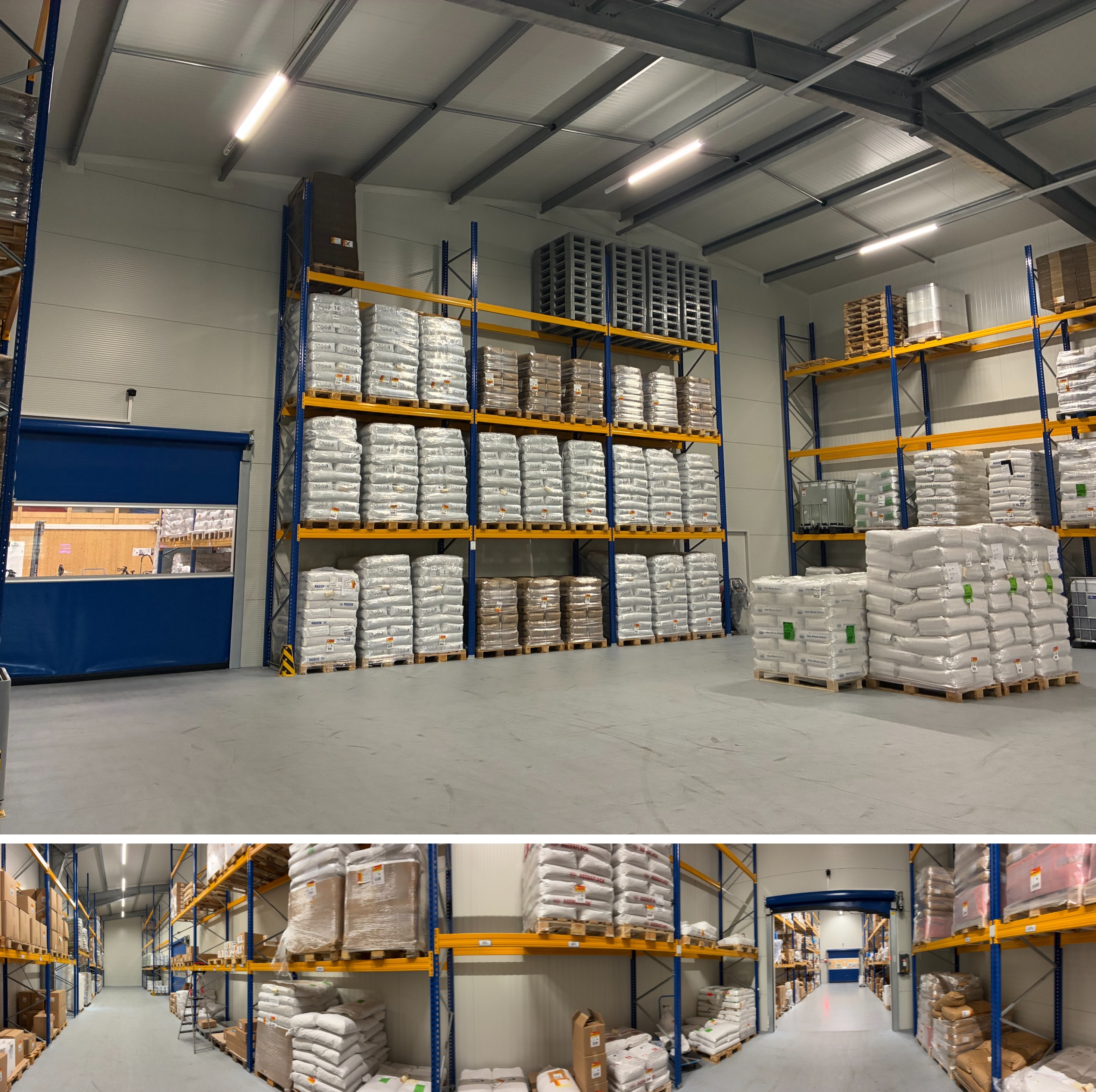
In stock & prompt deliveryAlways available from stock, with no minimum order quantities. Under optimal storage conditions, we compensate seasonal harvest fluctuations for you. You can grow with us without any worries. Whether individual bags or full pallets – proven successful in practice!
-
30 Years of Organic ExpertiseWith 30 years of experience in organic food, we are your competent organic contact – from product development to the finished organic recipe. We offer you the highest level of organic safety thanks to our many years of experience in the organic sector and certification by the Austrian BIO Guarantee.
Production and Applications
Interesting facts about organic horseradish paste fine:
It is almost unknown that you get to the sushi actually almost always no real wasabi served but usually a green horseradish paste colored with green food coloring (eg: organic spinach powder).
How is organic horseradish grown?
Most of the horseradish produced in Austria is grown in the hilly region of eastern Styria. Organic horseradish is a real specialty, because horseradish cultivation has such challenging aspects.
The cultivation of horseradish takes place in spring from lateral roots, so-called Fechsern, of last year's horseradish roots. These are first placed horizontally in the soil and "lifted" again after about 2 months. In the process, the horseradish root is freed from small side shoots so that a large main root is formed. Harvesting is done in November or the following March. Horseradish is best grown only every 4-5 years or less in the same field. Ideal would be fields on which horseradish has never been grown. In Austria, Styria produces 99% of the total harvest of about 4500t. The per capita consumption is about 300g per year.
Horseradish contains a variety of vitamins, particularly high is its vitamin C content. Furthermore, horseradish contains mustard oils. These are responsible for the tears flow when horseradish tear / rub. Mustard oils have anti-bacterial, digestive and appetite stimulating effect. Horseradish is popular with cooked meat, sauces, as a garnish for cooked sausages, for cheese and spreads.
Why is horseradish spicy?
As a protection against predators (voles, moles, etc.). In the right dosage horseradish raises the taste sensation for us humans and is therefore particularly suitable as a side ingredient for your recipes!