

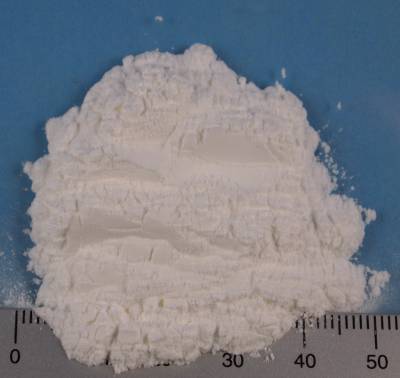
Organic wheat starch native
Organic wheat starch is obtained from wheat flour from organic farming. In a purely physical process, the starch and protein fractions (= "gluten") are separated from each other ("washed out") by means of water, then the white starch milk is dried "natively" without further degradation.
Organic wheat starch can be used universally when it comes to thickening, consistency and binding. After heating and cooling a water starch mixture, one can observe the binding, swelling, stabilizing and thickening effects (see video). This starch is mainly used in bakery products, but it is also used to thicken desserts, sauces and instant products. Likewise, it plays a role in moisture retention and as an emulsifying and stabilizing agent. It is also used as a release agent for glazes.
Gluten-free alternatives are, for example, organic corn starch 21.050 and organic potato starch 20.001.
Benefits
- Thickening, consistency, binding
- brings fine crumb for baked goods
Fields of Application
Prepared flours and baking mixes pastry salads dressings confectionery sauces specialties fillings
Packaging
25 kg paper bags with PE inner bag
Personal Consultation

Further questions?
I am happy to help you.
- Lena Amberger
- +43 2853 20660
- lena.amberger@bioservice.at
Further questions? I am happy to help you.
- Lena Amberger
- +43 2853 20660
- lena.amberger@bioservice.at
Application
Questions about the product
Customers also looked for...
We supply organic ingredients
What our customers appreciate about us:
-
Free SamplesRequest free samples! We are your one-stop-shop for organic ingredients. Innovative and simple solutions for your organic recipes.
-
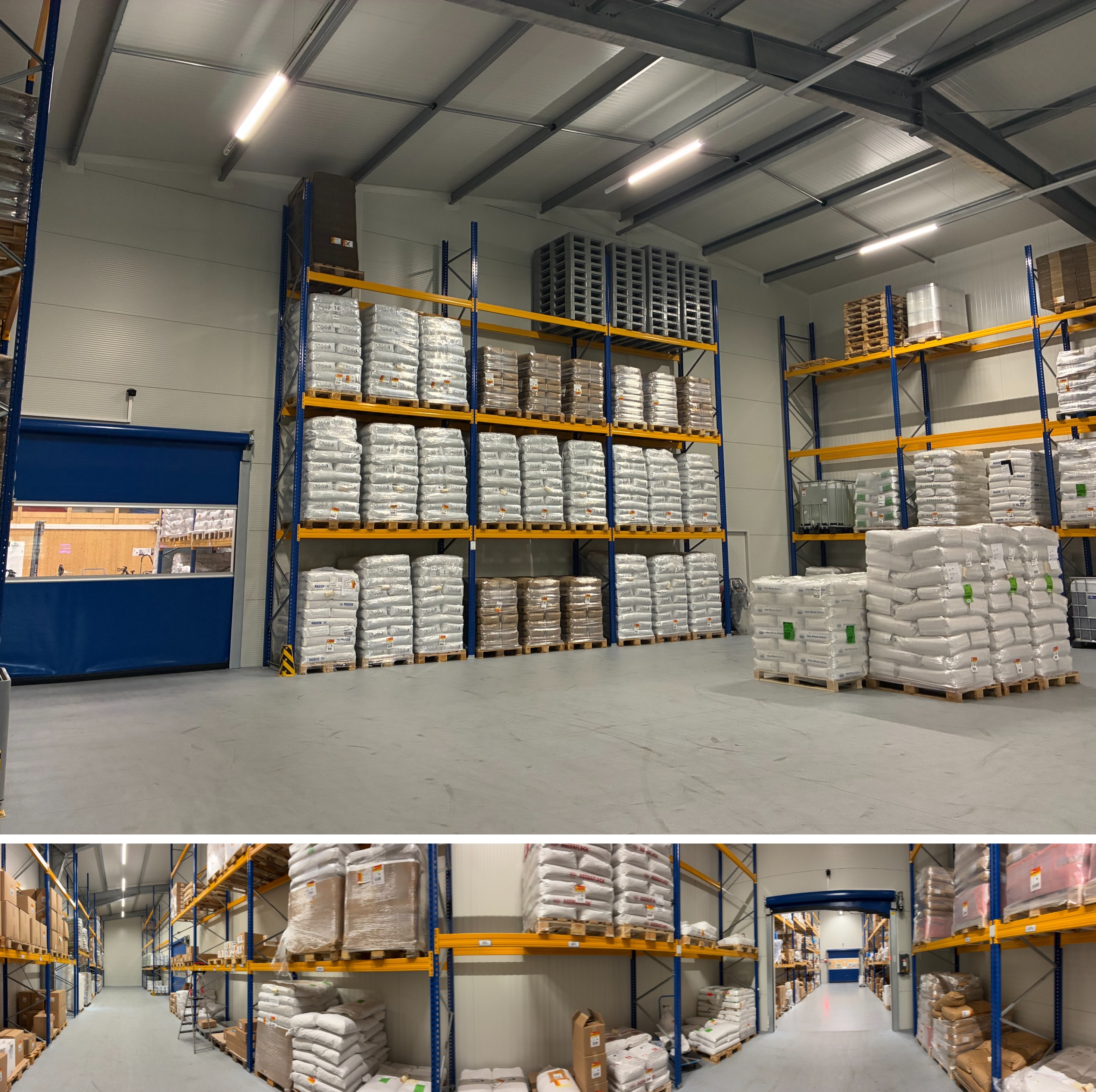
In stock & prompt deliveryAlways available from stock, with no minimum order quantities. Under optimal storage conditions, we compensate seasonal harvest fluctuations for you. You can grow with us without any worries. Whether individual bags or full pallets – proven successful in practice!
-
30 Years of Organic ExpertiseWith 30 years of experience in organic food, we are your competent organic contact – from product development to the finished organic recipe. We offer you the highest level of organic safety thanks to our many years of experience in the organic sector and certification by the Austrian BIO Guarantee.


Organic wheat starch native for wholesale
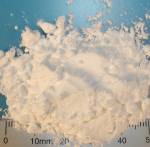
Starch is practically always present as an odorless and tasteless powder; the crunching sound when rubbed between the fingers is characteristic. The starch serves the plants as an energy store.
How is organic wheat starch produced?
Starch (lat. Amylum) in general is obtained mainly from corn, wheat and potatoes. In wheat, it is present inside the plant cell in the form of grains. The starch grains contained in wheat have a characteristic shape. Starch grains can be spherical, oval, lentil or spindle shaped, depending on the plant species. In the production of wheat starch, the starch-containing parts of the plant are crushed and the native starch is obtained by leaching, filtration, centrifugation and drying. In contrast to so-called modified starches, native starches are obtained only by this physical process. Modified starches, on the other hand, are further treated to obtain more specific properties for the food industry.
How is organic native wheat starch used & What makes organic native wheat starch?
Organic wheat starch native can be easily dissolved in water, but in order to develop its properties it must be heated.
Where can I find organic native wheat starch?
Since our native wheat starch is naturally tasteless, it is perfect for thickening sauces or soups and also for baking.
Is wheat starch gluten-free?
First, what does gluten-free mean by definition. According to Regulation (EC) 41/2009 (as of 20.07.2016 Implementing Regulation (EU) No. 828/2014), a product may be declared "gluten-free" if it contains a maximum of 20 mg gluten/kg of finished product.
Secondly, it should be mentioned that gluten-free wheat starch is available. However, the safest way is to use starches from gluten-free plants, such as: organic corn starch 21.050 and organic potato starch 20.001. Pure organic corn starch 21.050 is usually referred to as food starch. Starch from corn and potatoes can now and then also be called food starch. Which starch you use for your food depends on your individual recipes. Since wheat starch can also contain gluten, it is certainly also useful to use potato starch for the production of gluten-free foods.