

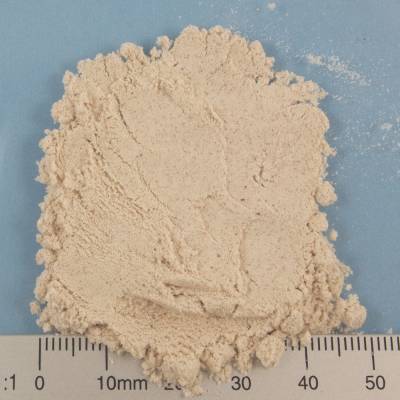
Organic locust bean gum
Locust bean gum (also carob) is made from the seed of the locust tree.
The main components are polysaccharides and galactose and mannose units. It’s a neutral in taste, herbal only and gluten free thickener. Organic carob flour is a natural ingredient and is used in many recipes for thickening, consistency and binding. Its good binding properties make it a gluten-free and vegan substitute for e.g. gelatine or wheat starch. Organic locust bean gum is approved without restriction as a food additive. It stabilises emulsions and prevents the formation of crystals, e.g. in ice cream. It is usually used in combination with organic guar gum 80.099, but it can also be combined with organic agar agar powder 70.110.
Benefits
- thickener, texture
- vegan replacement for gelatine
- neutral in taste
Fields of Application
soups sauces pastries spreads ice cream
Packaging
25 kg paper bag
Personal Consultation

Further questions?
I am happy to help you.
- Wolfgang Kainz
- +43 2853 20660
- wolfgang.kainz@bioservice.at
Further questions? I am happy to help you.
- Wolfgang Kainz
- +43 2853 20660
- wolfgang.kainz@bioservice.at
Application
Questions about the product
Customers also looked for...
We supply organic ingredients
What our customers appreciate about us:
-
Free SamplesRequest free samples! We are your one-stop-shop for organic ingredients. Innovative and simple solutions for your organic recipes.
-
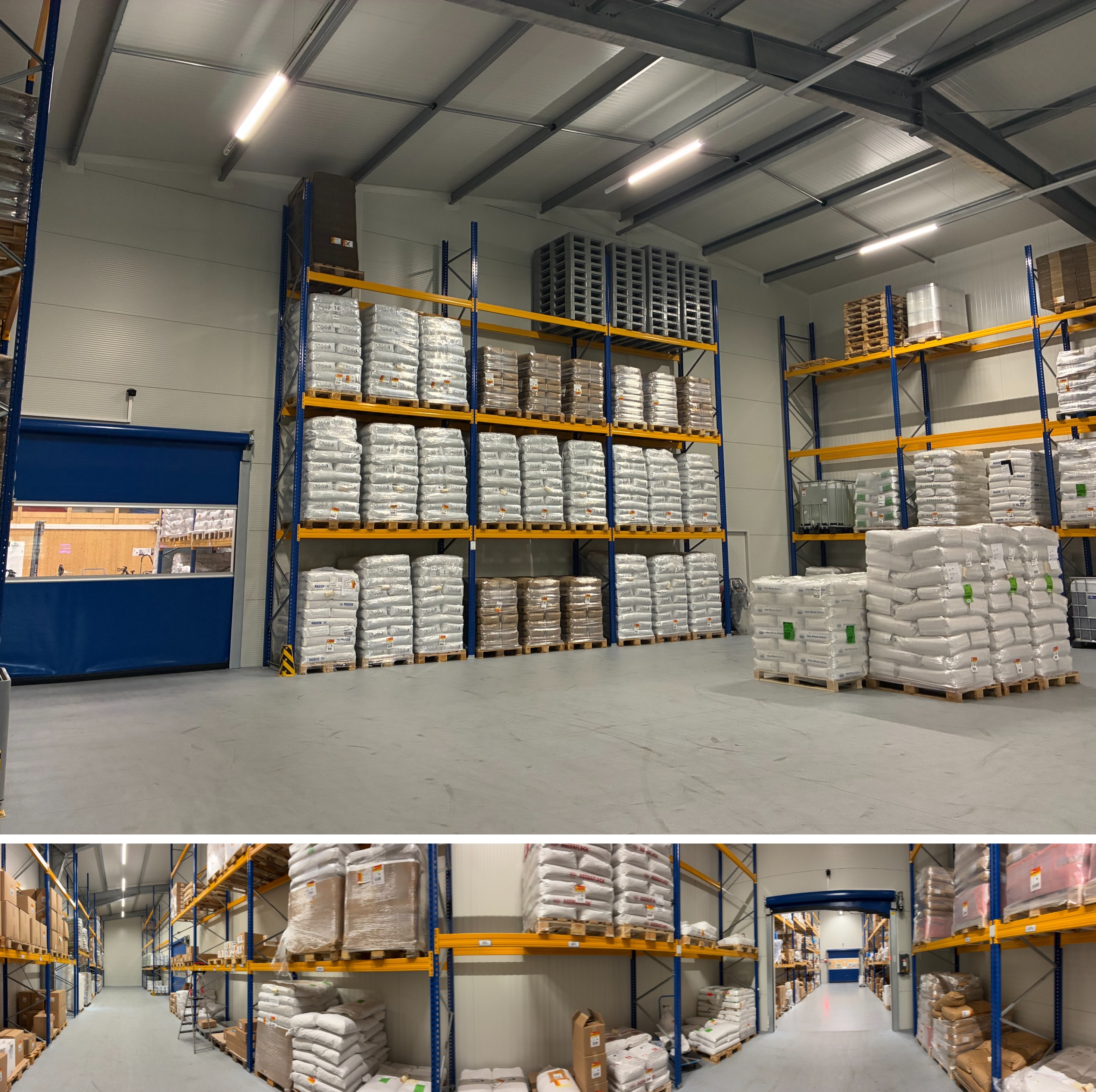
In stock & prompt deliveryAlways available from stock, with no minimum order quantities. Under optimal storage conditions, we compensate seasonal harvest fluctuations for you. You can grow with us without any worries. Whether individual bags or full pallets – proven successful in practice!
-
30 Years of Organic ExpertiseWith 30 years of experience in organic food, we are your competent organic contact – from product development to the finished organic recipe. We offer you the highest level of organic safety thanks to our many years of experience in the organic sector and certification by the Austrian BIO Guarantee.

Organic carob flour in bulk
Although this flour is rich in carbohydrates, the human digestive system can only break them down insufficiently, which is why they are counted as dietary fibres. This flour binds about 80-100 times its own weight in water in your recipes. It can also be used in the production of gluten-free baked goods, where it increases the water-binding properties of your recipes and delays staling. Thus, foods containing Locust Bean Gum are also suitable for the diet of celiac patients. There is no legal limit on the amount of Locust Bean Gum that can be used.
What does Locust Bean Gum do?
Technological properties
It is completely soluble under hot temperatures. No solid gel formation, but high water binding capacity and this relatively independent of the pH-value. The swelling capacity is 5 times greater than that of starch.
How is organic carob bean gum used?
Preparation:
1 - 2 grams (1 level tsp) is sufficient for 500 ml of liquid. For hot dishes, first dissolve in cold liquid and then stir into the boiling dish. Do not use more than 20 grams per 1 kg of the ready-to-eat food.
How is organic carob bean gum obtained?
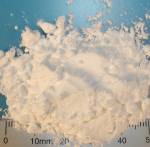
The carob tree usually grows in the Mediterranean region. The black-brown pods of the carob tree contain about 5-20 seeds that are also black-brown and slightly smaller than peas. For the flour, the shell and the germ of the seeds are removed, only the endosperm (storage tissue) is ground into this fine flour. The yellowish white powder contains about 88 percent galactomannoglycans, six percent protein and five percent other polysaccharides. In conventional carob bean gum, the shell is separated using sulphuric acid. In organic farming, this is not permitted - the shell is removed mechanically and by roasting.
Interesting facts about carob bean gum:
Origin of the name
The names "carob" (German), "St. John's bread", "locust bean gum" (LBG) (English), "Pao de S. Joao" (Brazilian), "Pane di Santa Giovanni" (Italian) "Jansbroad" (Dutch) are of biblical origin. The terms refer to the fact that 'locusts and honey', on which St. John is said to have fed during his long walk through the desert (Matthew 3.4.), actually conceal the fruit of the carob tree. For the pods of the carob tree, dried on the tree, can be eaten; in earlier times they were made into bread. They are slightly sweet and caramel-like in taste, some even think similar to chocolate. The sweet fruit pulp contained is rich in fibre, vitamins and minerals.
E410 is the name used in ingredient lists. The Austrian organic inspection body "Austria BIO Garantie GmbH" ensures that the products have been produced in accordance with the legal requirements and do not contain any harmful ingredients. It should be mentioned again that the food additive E410 is a purely vegetable product, so-called E numbers do not have the best reputation.