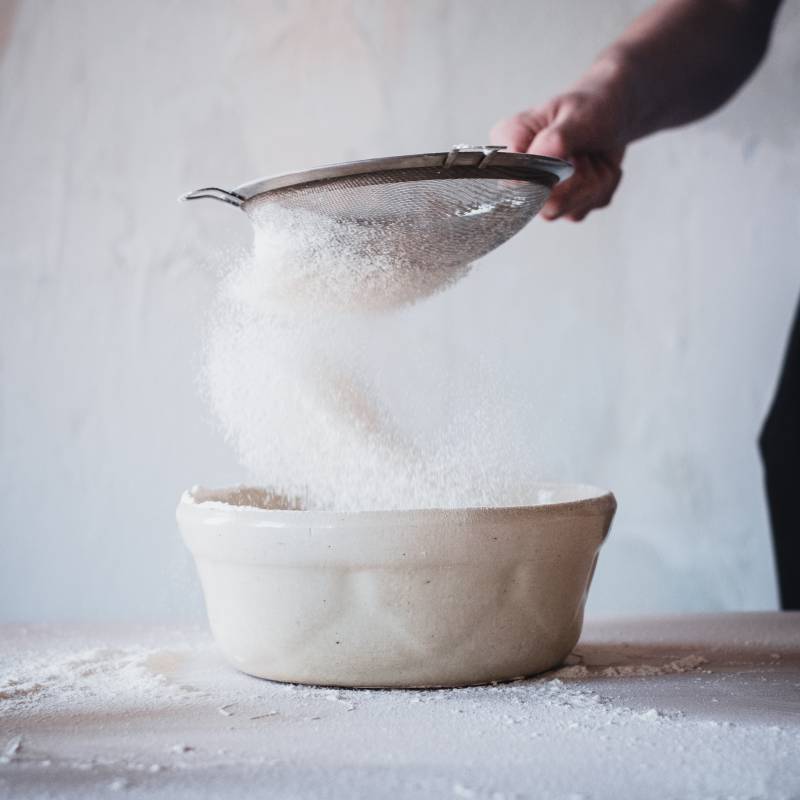

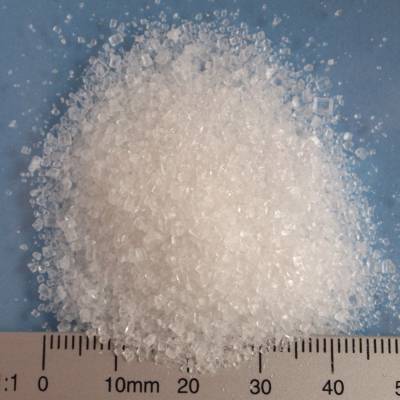
Organic sugar white (=organic beet sugar from Austria)
"Organic Sugar White"(=Organic beet sugar, =Organic crystal sugar, =Eco-sugar, =Bio-Saccharose) is produced from Austrian sugar beets from controlled organic cultivation. According to the general quality criteria of EU category 2. This classic crystal sugar is excellently suited for sweetening products that are sensitive to taste. The mild sweetness is neutral in taste and particularly versatile. It is also often used for feeding bees and for the production of wine. In addition to the standard grain size, we offer you a sieved fine variant (organic sugar white, fine) which is often used for bakery products, etc. We deliver organic beet sugar promptly and reliably all year round. Packed in 25 kg paper bags up to 800 kg / pallet.
Benefits
- sweeteners
- white, absolutely clean colour, neutral taste
- especially suitable for baking due to special granulation
Fields of Application
bakery products pastries confectionery and other sweet products desserts dairy products jam fruit preparations ice cream fruit juices wine etc.
Packaging
25 kg paper bags, 800 kg/pallet
Personal Consultation
Further questions?
I am happy to help you.
- Anna-Maria Hermann
- +43 2853 20660
- anna.hermann@bioservice.at
Further questions? I am happy to help you.
- Anna-Maria Hermann
- +43 2853 20660
- anna.hermann@bioservice.at
Application
Questions about the product
Customers also looked for...
We supply organic ingredients
What our customers appreciate about us:
-
Free SamplesRequest free samples! We are your one-stop-shop for organic ingredients. Innovative and simple solutions for your organic recipes.
-
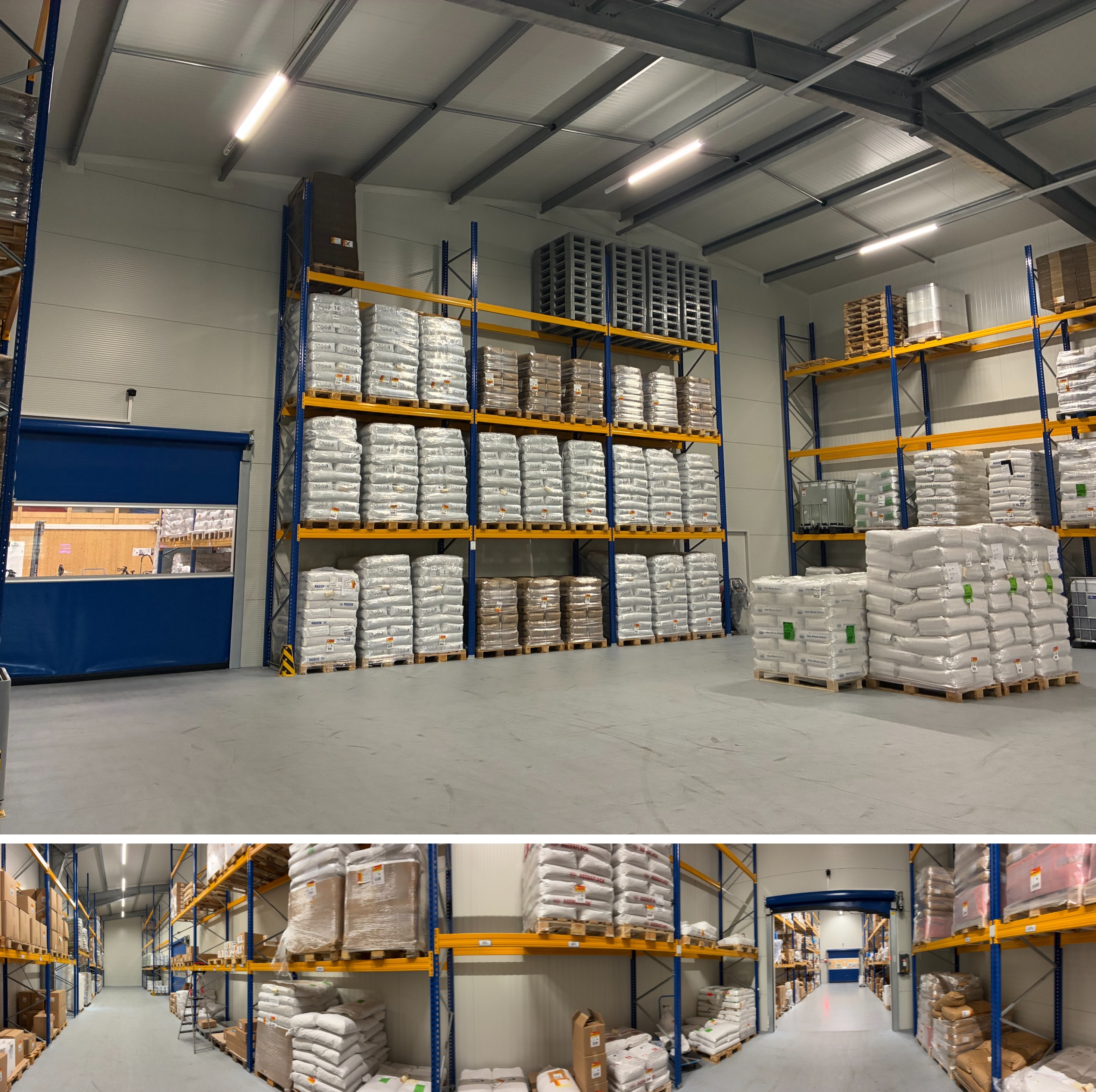
In stock & prompt deliveryAlways available from stock, with no minimum order quantities. Under optimal storage conditions, we compensate seasonal harvest fluctuations for you. You can grow with us without any worries. Whether individual bags or full pallets – proven successful in practice!
-
30 Years of Organic ExpertiseWith 30 years of experience in organic food, we are your competent organic contact – from product development to the finished organic recipe. We offer you the highest level of organic safety thanks to our many years of experience in the organic sector and certification by the Austrian BIO Guarantee.
Production and Application

How is BIO sugar white (=BIO beet sugar) used?
Packed in easy-to-handle 25 kg bags, our organic beet sugar is used in a wide variety of applications. Whether as a sweetener for bakery and confectionery products, desserts and mueslis, for sweetening milk products and beverages, or in the production of ketchup, jams and fruit preparations for yoghurts. Because of its neutral taste, organic beet sugar is also often used in the production of organic wine or organic ice cream. Due to its purity and microbiological stability, it is ideally suited for the production of bee feed. Because of its neutral taste, organic beet sugar is also often used in the production of organic wine or organic ice cream. Due to its purity and microbiological stability, it is ideally suited for the production of bee feed (winter feed). In addition to its use in the food sector, organic beet sugar is also often used in the production of bee feed.
How is BIO sugar white (=BIO beet sugar) obtained?
Sugar is extracted from plants and the first findings of sugar cane date back to 8000 BC. The dosage forms are as varied as the areas of application. From crystal sugar, cube sugar, rock candy, hail sugar to powdered sugar and sugar syrups, there is gelling sugar, vanilla sugar, decorative sugar and preserving sugar.
During production, the sugar beets are first washed, then chopped and cooked to form sugar beet pulp. The resulting beet juice then goes through several further processing steps. Among other things, it is cleaned, filtered and thickened. After crystallization, the sugar crystals are separated from the molasses by centrifugation, dried, cooled and stored in silos. Production plants are Agrana, Südzucker, etc. and are distributed through wholesalers.
After crystallization, the sugar crystals are separated from the molasses by centrifugation, dried, cooled and stored in silos. Molasses is used as a raw material in baker's yeast production, food and feed industry and in alcohol production. The leached sugar beet pulp is dried and pressed into pellets with the addition of molasses and sold as animal feed. Packed in easy-to-handle 25 kg bags, our organic beet sugar is used in a wide range of applications. Whether as a sweetener for bakery and confectionery products, desserts and muesli, for sweetening dairy products and beverages, or in the production of ketchup, jams and fruit preparations for yoghurts.
Molasses is used as a raw material in baker's yeast production, the food and feed industry and in alcohol production. The leached sugar beet pulp is dried and pressed into pellets with the addition of molasses and sold as animal feed.
Interesting facts about BIO sugar white (=BIO beet sugar):
Sugar from sugar beets was first produced in 1802 by the German natural scientist Franz Karl Achard in a (pre)industrial process. Napoleon's Continental Blockade at the beginning of the 19th century stopped the import of sugar to Western and Central Europe. The industrial production of sugar from sugar beets was now of great importance to compensate for this loss of imports. We offer our customers the biological/ecological and fair form of beet sugar. In the production process, the sugar beets are first washed, then chopped into sugar beet pulp and cooked. The resulting beet juice then goes through several further processing steps. Among other things, it is cleaned, filtered and thickened. Throughout Europe there are different manufacturers such as Agrana, Südzucker, etc. The crystalline organic beet sugar is then sold through wholesalers.