

BIO Mango Ice Cream VEGAN
The vegan mango ice cream recipe combines mango puree, coconut milk, and BIO-sugar for a creamy, low-allergen ice cream - ideal for professional processing.

Recommended Organic Ingredients
Recommended Organic Ingredients
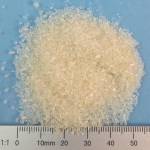
Organic raw cane sugar light
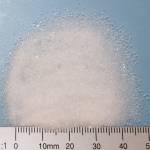
Organic sugar white fine (=org...
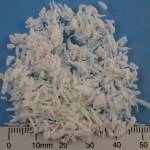
Organic coconut flakes raw
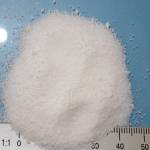
Organic syrup powder dextrose...
Organic Maltodextrin DE19
+2
more
Recipe
-
Organic raw cane sugar light 90.0181.1 kg
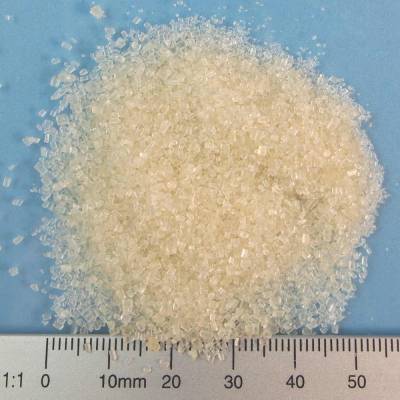 Organic raw cane sugar light 90.018"Sugarcane" with the botanical name Saccharum officinarum belongs to the plant family of grasses (Gramineae). The perennial tropical grass grows up to 5 meters high and has a pithy stem with a diameter of 5 centimeters. To obtain "organic raw cane sugar", this pith is pressed out, the resulting sugar juice is thickened, impurities are separated and finally crystallized. In the production process, the organic golden yellow sugar is not as strongly purified (refined) as white granulated sugar and thus contains even more of the natural brown molasses, which explains the desired light brownish colour. White cane sugar and organic white sugar are chemically identical because when both raw materials (sugar cane, sugar beet) are strongly purified, they always contain the same sugar molecule.Show More Show LessBenefits
- Sweetener, fine malt aroma
- Nutritional value and mineral content
- special free-flowing / durable packaging
More InfoFields of Application- bakery products
- sweets
- ice cream
- juices
- sweeteners
- specialties
- etc.
-
Organic sugar white fine (=organic beet sugar fine) 90.0841.1 kg (alternative)
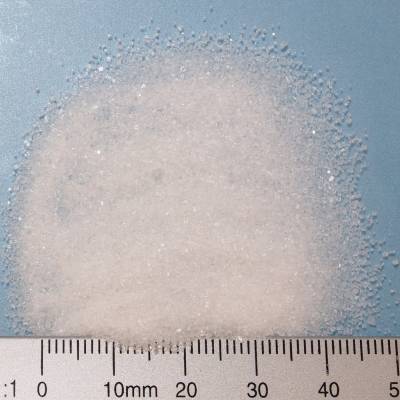 Organic sugar white fine (=organic beet sugar fine) 90.084“Organic sugar white” (= eco-sugar, = organic saccharose) is a fine-grained sugar variety won from Austrian sugar beets from certified organic cultivation. Due to its consistent fine structure it is especially suitable for baking mixtures. According to the common quality criteria of EU category 2.Show More Show LessBenefits
- especially for baking and spice mixture
- consistent crystal structure
- sweetener
More InfoFields of Application- bakery products
- pastries
- confectionery and other sweet products
- desserts
- dairy products
- jam
- fruit preparations
- ice cream
- fruit juices
- wine
- etc.
-
Organic coconut flakes raw 70.0611.2 kg (for making coconut milk)
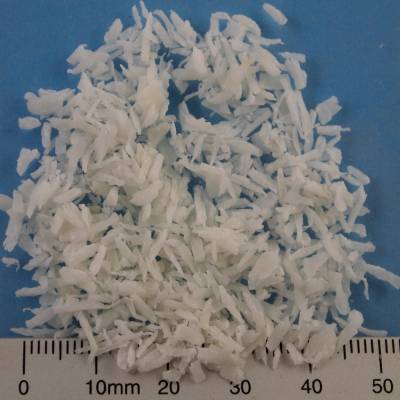 Organic coconut flakes raw 70.061Coconut flakes from the pulp of coco palm, with easily digestible fibres and valuable proteins. As they are free form gluten it’s a good alternative for allergy sufferers and diabetics. Organic coconut flakes have a high content of coconut oil and are therefore intense in taste and smell. For your recipes they provide a hearty tropical flavor, whether as an ingredient for baking, on fruit salads, chocolate creations, muesli or colored with organic fruit powder for decoration. Our organic coconut chips are not bleached, not refined and contain no additives.Show More Show LessBenefits
- very aromatic
- decoration
More InfoFields of Application- fine pastry
- desserts
- ice cream
- bakery products
-
Organic syrup powder dextrose DE97 20.437200 g (optional, for creaminess)
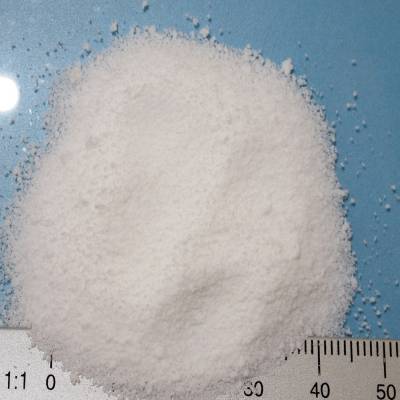 Organic syrup powder dextrose DE97 20.437Organic syrup powder glucose is produced from organic starch. The powder is often called “dried glucose” (glucose = dextrose = grape sugar). The source material is liquefied, saccharified and gently spray-dried. This extra sweet powder mainly consists of glucose and is highly soluble. This spray-dried powder is characterised by a very high sweetening power and very low water content (<1.5% by weight). The sister product to this is the organic dextrose crystal (monohydrate).Show More Show LessBenefits
- provides almost the same characteristics as crystallised glucose
- brings a creamy, smooth taste into your recipe
- improves the sense of taste
More InfoFields of Application- beverage powder
- ice cream
- fruit powder
- baby food
- sausages
- milk drinks
- fruit and soy drinks
- dessert sauces
- cereal bars
- fruit preparations
- baking mixtures
- icings
-
Organic Maltodextrin DE19 20.235150 g (optional, for creaminess and mouthfeel)
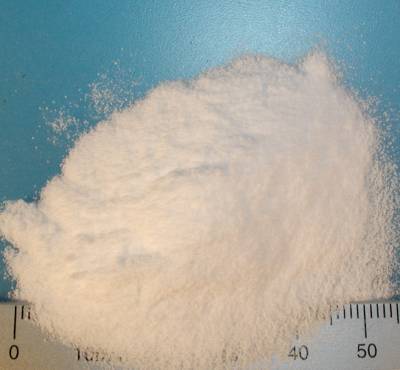 Organic Maltodextrin DE19 20.235Organic maltodextrin is produced by saccharification and spray-drying of organic starch. It is a free-flowing, very easily soluble powder with a low hygroscopic character and consists of a mixture of saccharids without any starch. Due to its excellent solubility in water, its neutral taste, and its good digestibility, organic maltodextrin 20.235 is used in a wide range of products. In accordance with EU BioVO No. 2018/848, no ion exchanger is used. The name maltodextrin contains the names of the sugars it consists of, maltose (= malt sugar) and dextrose (= grape sugar). The fields of application are very broad. We will be happy to advise you here regarding your organic recipe design!Show More Show LessBenefits
- neutral carrier
- gives energy through carbohydrates
- improvement of viscosity and mouthfeel
More InfoFields of Application- fruit powders
- baby food
- spice blends
- clear dry soups
- confectionary
- milk beverages
- soy drinks
-
Mango puree4.3 kg (alternative: mango fruit powder, if available)
-
Water2.5 l
Your Benefits
-
Free Samples
Request free samples! 100% risk-free. Sophisticated, innovative, and simple solutions for your organic recipe. -
In Stock % Prompt Available
Everything in stock, no minimum order quantities. We scale to your requirements – proven successful many times in practice! -
30 Years of Organic Expertise
30 years of experience with organic food – we are your competent organic partner.
Recipe Note
With high-quality ingredients such as mango puree, {BIO-Kokosraspel}, {BIO-Zucker goldgelb}, and natural binders, a creamy, vegan ice cream can be produced simply and efficiently. The recipe is flexible and suitable for a wide range of target groups.

Dr. Robert Zach
Geschäftsführung / CEO
Preparation
This vegan mango ice cream impresses with its short ingredient list, industrial scalability, and the ability to optimize the creaminess with natural ingredients from the catalog. The recipe is low in allergens and suitable for many target groups.
Preparation of BIO Mango Ice Cream VEGAN for 50 servings (each 100 ml)
- Preparation:
- Provide 4.3 kg of mango puree (alternatively: reconstitute mango fruit powder with water if mango puree is not available).
- Puree 1.2 kg of BIO-Kokosraspel with 2.5 l of water in a cutter and process into a creamy coconut milk. Pass through a fine sieve to optimize the consistency.
- Prepare sugar mixture:
- Weigh 1.1 kg of BIO-Zucker goldgelb (=BIO-Rohrohrzucker) or alternatively BIO-Zucker weiß, fein (=BIO-Rübenzucker fein).
- Optionally to improve creaminess: add 200 g of BIO-Sirup Pulver Dextrose DE97 and 150 g of BIO-Maltodextrin DE19 to the sugar and mix well.
- Mix:
- Thoroughly mix the mango puree, coconut milk, and the sugar mixture in a pasteurization kettle.
- Heat the mixture to 85 °C (pasteurization), then quickly cool to 4 °C.
- Allow to mature:
- Allow the ice cream mixture to mature for at least 4 hours (optimal: overnight) at 4 °C to achieve optimal binding and creaminess.
- Freeze:
- Freeze the mixture in the ice cream machine or in the industrial freezing process (–18 °C to –22 °C). For a particularly creamy consistency, the ice cream mixture can be briefly whipped after initial freezing.
- Immediately fill into portion containers and flash freeze.
- Storage:
- Store the finished mango ice cream at –18 °C. Shelf life when the cold chain is maintained: 6–12 months.